
Battery Production Process: From Cell to Pack
From electrode material preparation and cell manufacturing to aging, capacity grading, quality inspection, and OEM battery pack assembly, each process is controlled to support reliable custom lithium battery production.
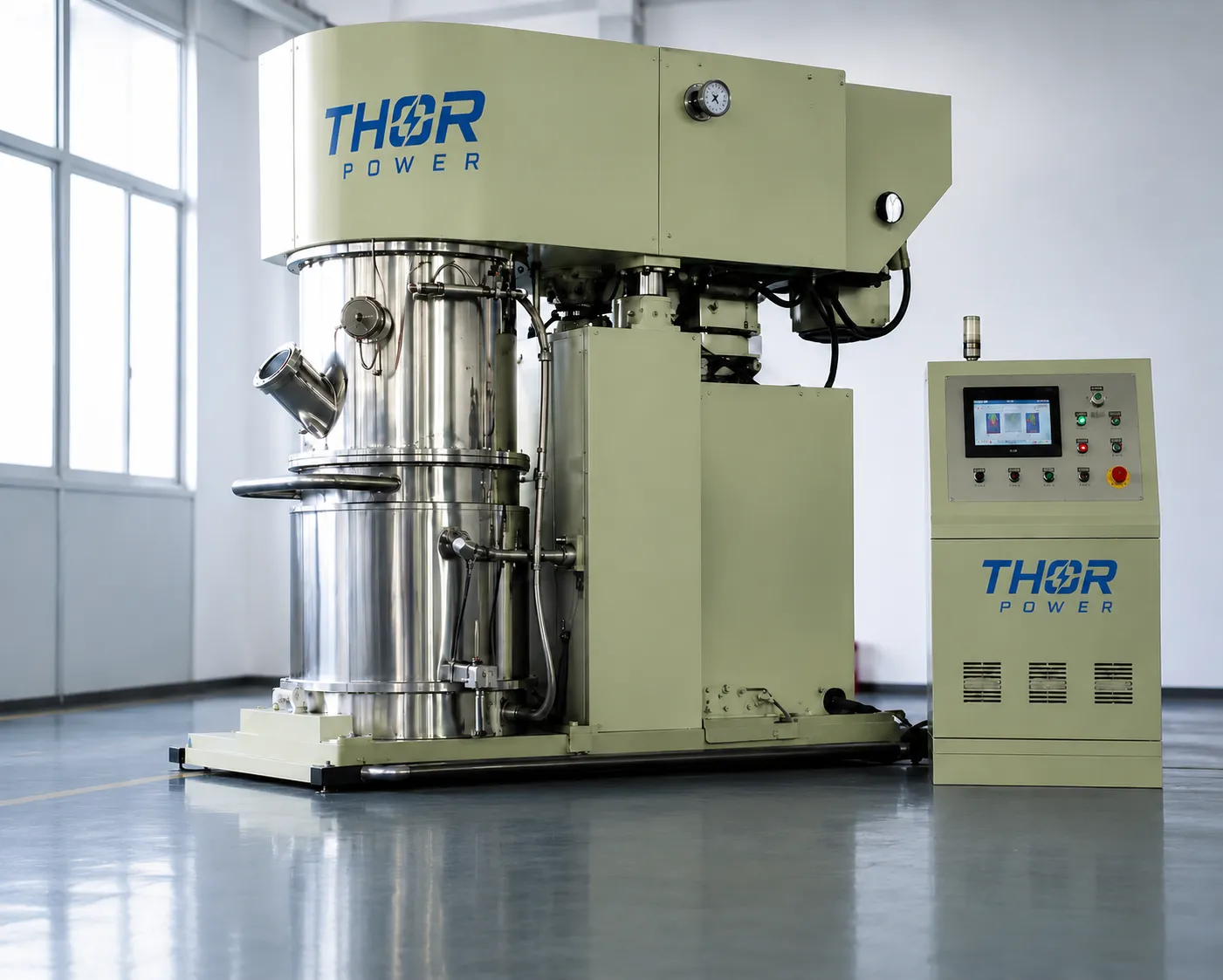
Material Preparation
Slurry Mixing & Electrode Material Preparation
Uniform slurry mixing helps improve electrode material dispersion and provides a stable foundation for later coating, capacity consistency, and cell quality control.

Electrode Coating
Coating Uniformity & Capacity Foundation
Precise electrode coating helps control coating thickness, areal density, drying uniformity, and surface quality, supporting cell capacity consistency and long-term performance.
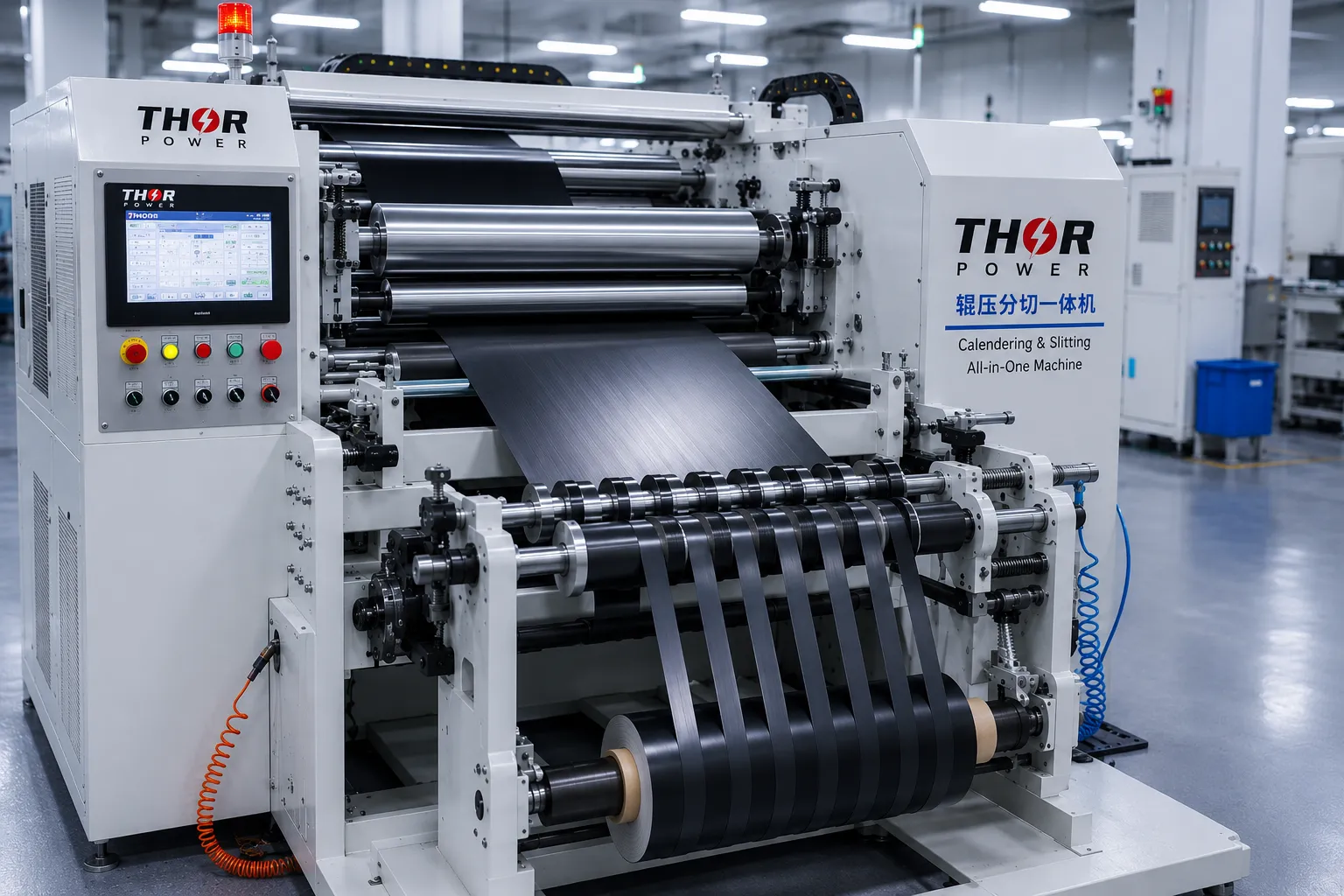
Calendering & Slitting
Electrode Density Control & Burr Reduction
Calendering helps control electrode density and thickness consistency, while precise slitting reduces edge burr risk and supports stable cell structure and safety.

Cell Stacking
Electrode Alignment & Separator Coverage
Accurate stacking helps maintain electrode alignment, separator coverage, and cell structure stability, reducing internal short-circuit risk and supporting battery safety control.

Pouch Packaging
Pouch Sealing & Cell Structure Protection
Pouch packaging protects the stacked cell structure and helps maintain cell integrity, supporting lightweight lithium pouch cell design and stable battery performance.

Electrolyte Filling
Vacuum Electrolyte Filling & Wetting Control
Vacuum electrolyte filling helps ensure sufficient electrolyte penetration and uniform wetting of electrodes and separators, supporting stable ion transport, capacity release, and long-term cycle performance.

Formation, Degassing & Final Heat Sealing
Cell Activation, Gas Removal & Heat Sealing Control
Controlled formation activates the cell and helps build stable electrochemical performance. Degassing removes generated gas after formation, while final heat sealing improves pouch cell integrity, supporting better capacity stability, safety, and long-term reliability.
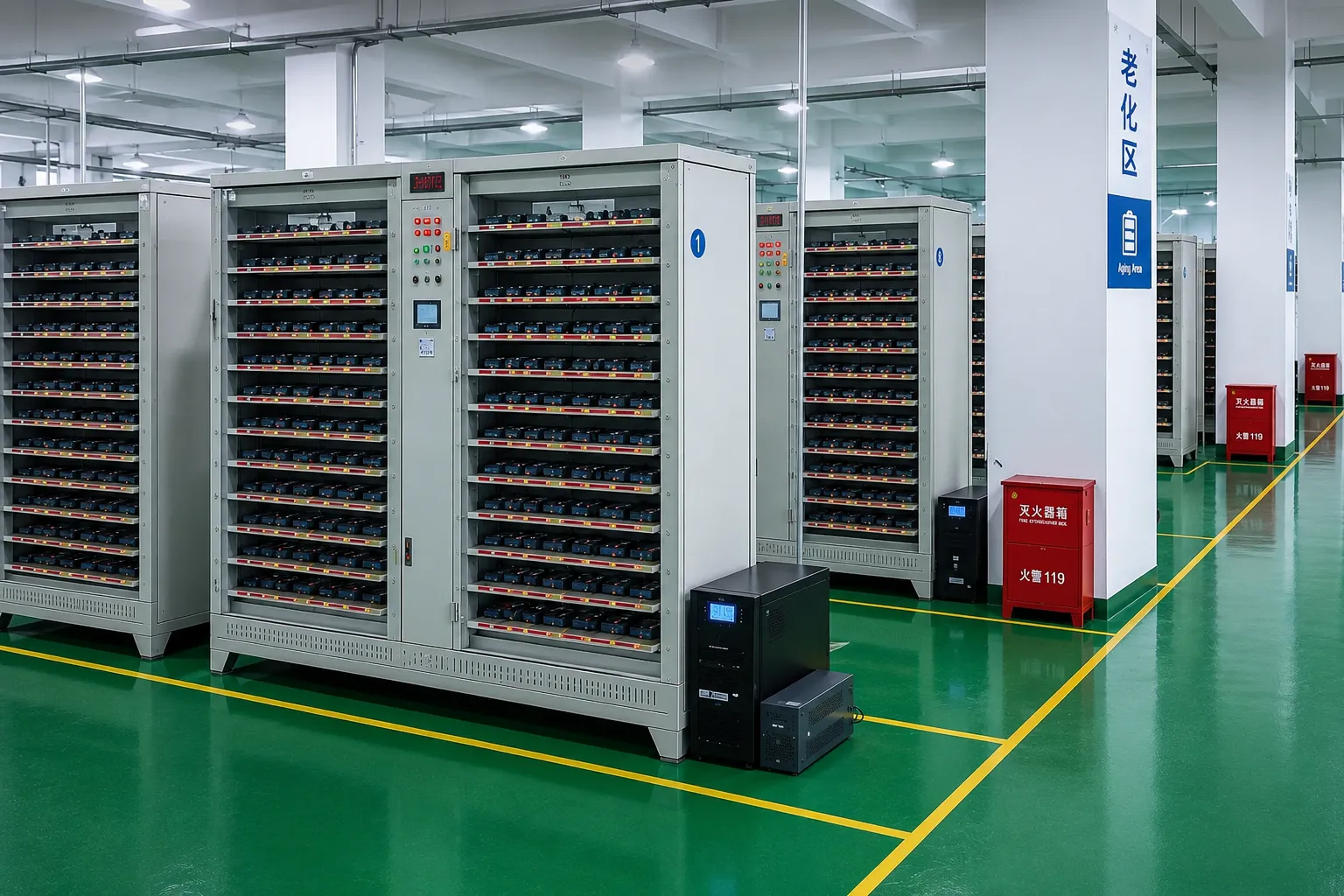
Aging & Capacity Grading
Cell Stability Screening & Performance Classification
Aging helps screen voltage stability and self-discharge behavior, while capacity grading classifies cells by capacity, voltage, and internal resistance before battery pack assembly.
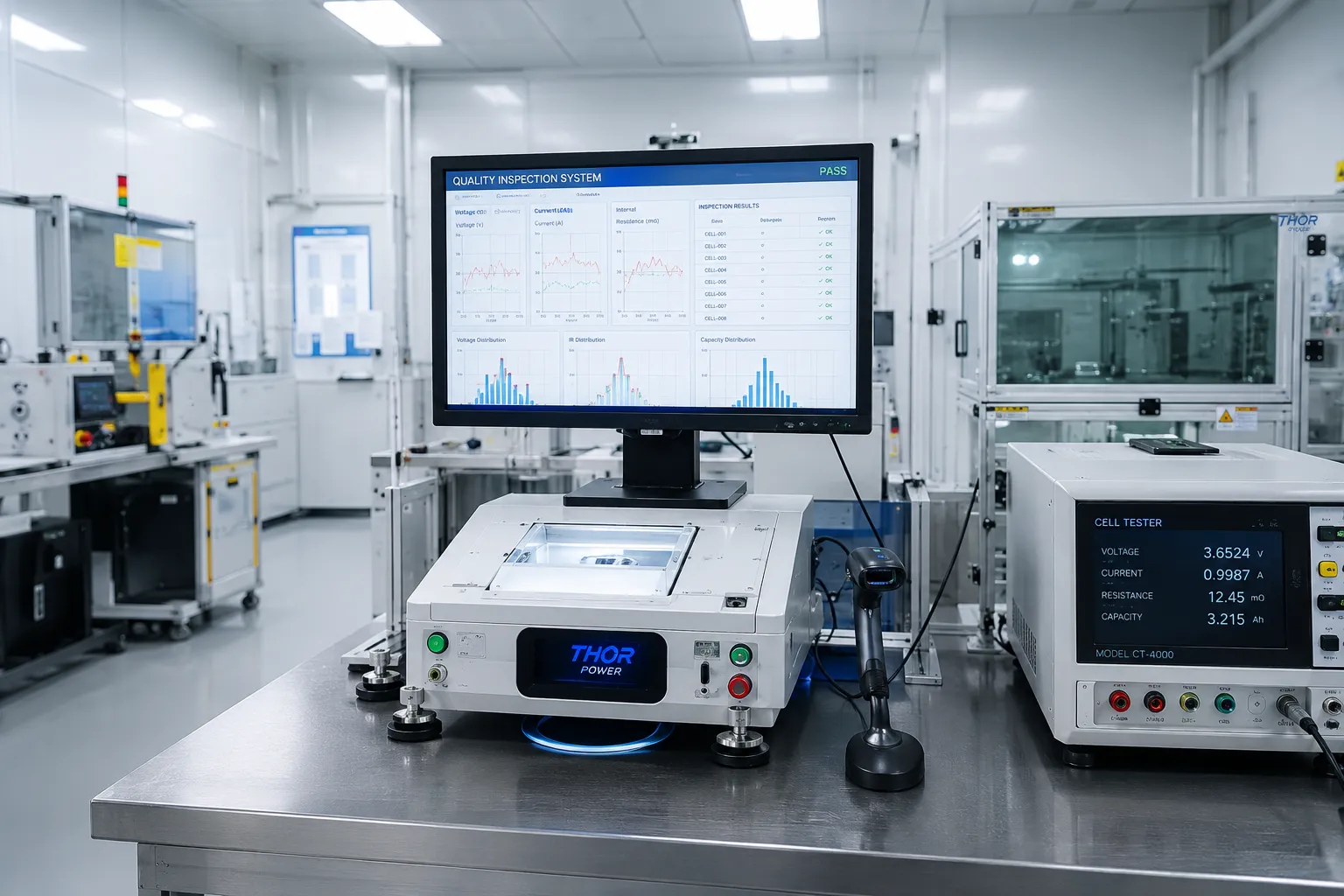
Quality Inspection
Voltage, Capacity, Internal Resistance & Safety Testing
Battery cells and packs are checked for voltage, capacity, internal resistance, appearance, polarity, and safety performance according to project requirements.

OEM Battery Pack Assembly
Custom Pack Assembly for OEM/ODM Projects
Qualified cells are assembled into custom battery packs with PCM/BMS, connectors, wires, labels, insulation, and pack structures according to OEM/ODM project requirements.
Lithium Battery Quality Control from Cell Manufacturing to Pack Assembly
Battery quality is not determined only by final inspection. The most critical quality foundation is formed during cell manufacturing, especially electrode coating, stacking, electrolyte filling and wetting, formation, aging, and capacity grading. These processes directly influence battery safety, capacity consistency, internal resistance, cycle life, and long-term reliability before final pack assembly and testing.

Electrode Coating Uniformity
Uniform electrode coating supports stable capacity, lower internal resistance variation, better heat distribution, and longer cycle life.

Formation Control
Controlled formation helps stabilize electrochemical performance and affects initial capacity, self-discharge, internal resistance, and long-term safety.

Stacking Accuracy
Accurate stacking helps maintain electrode alignment, separator coverage, cell structure stability, and internal safety.
Electrolyte Filling & Wetting
Electrolyte filling and wetting affect ion transport, capacity release, internal resistance, cycle performance, and pouch cell safety.
Aging, Capacity Grading & Cell Matching
Aging screens voltage stability and self-discharge, while capacity grading and cell matching improve battery pack consistency.
Pack Assembly & Final Testing
Final pack assembly control helps ensure the custom lithium battery solution meets confirmed electrical, mechanical, safety, and shipping requirements.
- Spot welding or tab welding inspection
- PCM/BMS function testing
- Connector, wire, and polarity checking
- Voltage and capacity verification
- Insulation, label, and appearance inspection
- Packing and shipping document check

Battery Documents, Packaging & Shipping Support
We can support UN38.3, MSDS, and related shipping documents according to the battery model and transportation requirements. THOR Power also helps prepare battery specifications, product label information, packing details, and export preparation support for custom lithium battery projects.
UN38.3 Support
Transport document support based on battery model and shipping requirements.
MSDS Support
Material safety data sheet support for lithium battery transportation and customer documentation needs.
Battery Specification Sheet
Battery voltage, capacity, size, connector, wire length, PCM/BMS, and pack structure information.
Product Label Information
Support for model number, voltage, capacity, polarity, warning marks, and customer label requirements.
Packing Information
Packing method, carton details, quantity per carton, weight, and battery shipping preparation information.
Shipping Document Support
Related shipping document support according to battery type, order requirements, and transportation method.
No account yet?
Create an Account