Part 1. Alarm clock battery solutions for consumer & smart clock devices
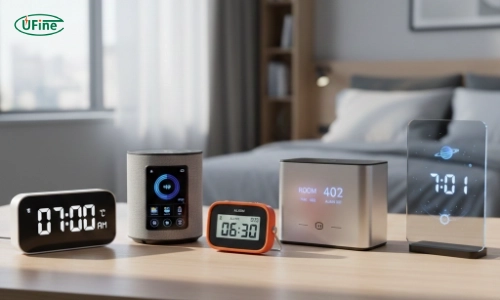
Modern alarm clocks are no longer simple timekeepers. From ultra-low-power bedside clocks to smart alarm clocks with displays, speakers, Wi-Fi, and backup power requirements, battery selection directly impacts product reliability, size, cost, and user experience.
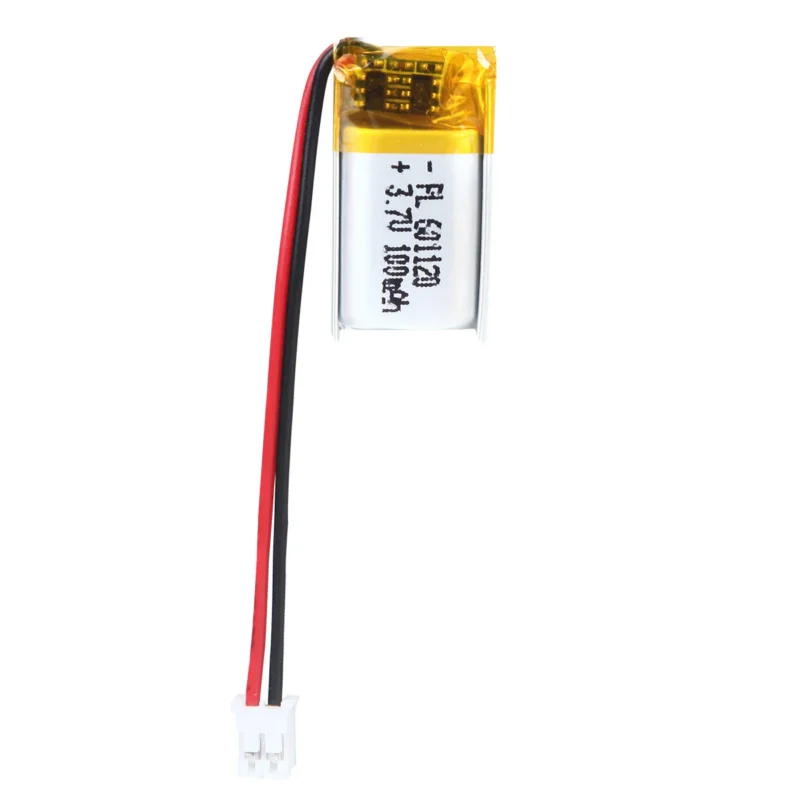
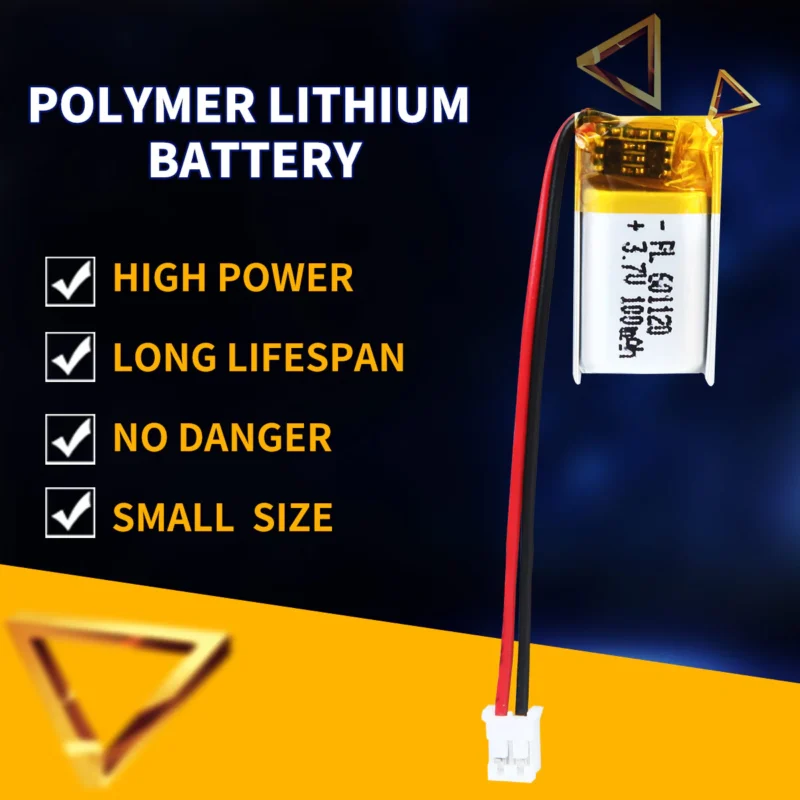
Ufine provides application-specific battery solutions for alarm clock manufacturers, helping solve common industry challenges such as long standby time, backup power stability, compact enclosure constraints, and compliance with safety standards.
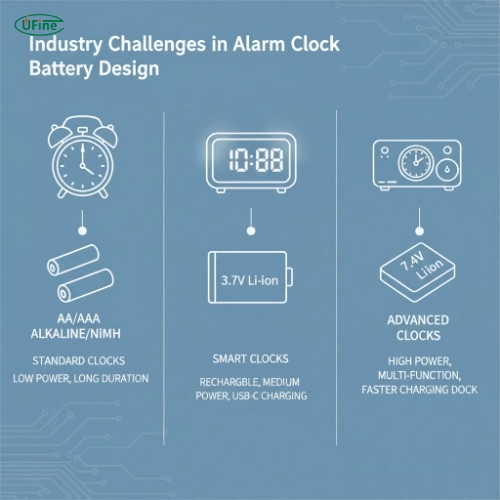
Part 2. Industry challenges in alarm clock battery design
Alarm clock manufacturers typically face the following battery-related constraints:
- Ultra-long standby requirements
Many digital alarm clocks must operate continuously for months or years, with average standby currents as low as 10–50 µA. - Backup power reliability
In power-outage scenarios, clocks must retain time and alarm functions for 24–72 hours or longer, without voltage drop affecting RTC accuracy. - Compact enclosure limitations
Bedside and travel alarm clocks increasingly demand thin, space-efficient battery packs, especially for portable or rechargeable models. - Cost and lifecycle optimization
Consumer products require a balance between BOM cost, battery cycle life, and replacement frequency.
Ufine addresses these challenges through custom lithium battery packs, primary battery sourcing, and application-level power matching.
Part 3. Typical power requirements of alarm clocks
| Alarm Clock Type | Operating Voltage | Average Current | Backup Duration Target |
|---|---|---|---|
| Basic Digital Alarm Clock | 1.5–3.0 V | 10–30 µA | 12–36 months |
| LED Display Alarm Clock | 3.0–5.0 V | 20–80 mA (active) | 24–72 hours |
| Smart Alarm Clock (Wi-Fi) | 3.7–7.4 V | 80–300 mA (active) | 6–24 hours |
| Portable / Travel Alarm Clock | 3.0–3.7 V | 10–50 mA | 7–30 days |
Part 4. Battery solutions by alarm clock application scenario
1. Basic Digital Alarm Clocks (Primary Battery Powered)
Typical scenario:
Simple LCD alarm clocks using RTC chips with ultra-low sleep current.
Power profile:
- Voltage: 1.5 V (AA / AAA) or 3.0 V (2×AAA)
- Standby current: <20 µA
- Expected battery life: 1–3 years
Recommended battery solution:
- Primary alkaline batteries
- Typical capacity:
- AAA: ~1000–1200 mAh
- AA: ~2000–2800 mAh
- Typical capacity:
- Ufine provides stable sourcing and battery holder integration support for OEM projects.
2. Plug-in Alarm Clocks with Battery Backup
Typical scenario:
AC-powered alarm clocks requiring battery backup to retain time and alarm settings during outages.
Power profile:
- Backup voltage: 3.0–3.7 V
- Backup current: 5–20 mA
- Backup duration: 24–72 hours
Recommended battery solutions:
- 3.7 V Li-ion / Li-polymer battery
- Capacity range: 500–2000 mAh
- Compact pouch formats supported
- Example Ufine-compatible range:
- 3.7 V 500 mAh – 2000 mAh lithium-ion batteries for RTC backup
Why lithium backup batteries?
- Higher energy density than NiMH
- Lower self-discharge
- Stable voltage for RTC modules
Backup power design reference:
“Battery Backup Design for Consumer Electronics” – Texas Instruments
3. LED Display Alarm Clocks with Dimming Control
Typical scenario:
Alarm clocks with LED or VFD displays, night dimming, and snooze functions.
Power profile:
- Operating voltage: 3.7 V or 5 V (boosted)
- Peak current (display on): 50–150 mA
- Standby current: <1 mA
Recommended battery solutions:
- 3.7 V rechargeable lithium-ion battery
- Capacity range: 1000–3000 mAh
- Suitable for USB-powered or rechargeable alarm clocks
Design advantage:
- Supports display peak current without voltage sag
- Enables portable or cordless alarm clock designs
4. Smart Alarm Clocks (Wi-Fi / Bluetooth / Voice Control)
Typical scenario:
Smart alarm clocks with connectivity, speakers, microphones, and MCU-driven systems.
Power profile:
- System voltage: 3.7 V or 7.4 V
- Active current: 150–500 mA
- Backup runtime: 6–24 hours
Recommended battery solutions:
- 3.7 V high-capacity Li-ion battery (3000–6000 mAh)
- 7.4 V Li-ion battery pack (2S) for higher power systems
Ufine supports:
- Custom 2S lithium battery packs
- Integrated PCM / protection circuits
- Connector and cable customization
Smart device power consumption reference:
“Power Management for IoT and Smart Home Devices” – Nordic Semiconductor
5. Portable & Travel Alarm Clocks
Typical scenario:
Compact, lightweight alarm clocks for travel or outdoor use.
Power profile:
- Voltage: 3.0–3.7 V
- Average current: 10–50 mA
- Runtime target: 7–30 days per charge
Recommended battery solutions:
- Ultra-thin Li-polymer batteries
- Capacity range: 180–1000 mAh
- Thickness optimized for slim housings
Key benefits:
- Slim form factor
- Rechargeable via USB
- Improved user convenience vs disposable batteries
Part 5. Alarm clock battery selection table (By application scenario)
| Scenario | Recommended Battery | Voltage | Capacity | Notes |
|---|---|---|---|---|
| 1. Basic Digital Alarm Clock (Primary / Long Standby) | Alkaline AA / AAA (sourced via Ufine) | 1.5 V | AA: ~2000–2800 mAh AAA: ~1000–1200 mAh | Long-term standby, ultra-low µA loads |
| 3.7 V 180 mAh Ultra-Thin Li-ion | 3.7 V | 180 mAh | Ultra-thin for compact clock boards | |
| 3.7 V 250 mAh Li-ion | 3.7 V | 250 mAh | Small form-factor backup | |
| 2. Plug-in Clock with Backup Power | 3.7 V 1000 mAh Li-ion | 3.7 V | 1000 mAh | Backup runtime support |
| 3.7 V 1200 mAh Li-ion | 3.7 V | 1200 mAh | Balanced capacity for backup | |
| 3.7 V 1800 mAh Li-ion | 3.7 V | 2000 mAh | Longer back-up support | |
| 3. LED Display Alarm Clock | 3.7 V 3000 mAh Li-ion | 3.7 V | 3000 mAh | Supports moderate display loads |
| 3.7 V 3600 mAh Li-ion | 3.7 V | 3600 mAh | Higher capacity for display + brightness | |
| 3.7 V 4000 mAh Li-ion | 3.7 V | 4000 mAh | Excellent for larger LED clocks | |
| 4. Smart Alarm Clock (Wi-Fi / Voice / Connectivity) | 7.4 V 1000 mAh 2S Li-ion Pack | 7.4 V | 1000 mAh | Standard smart clock pack |
| 7.4 V 4400 mAh 2P2S Li-ion Pack | 7.4 V | 4400 mAh | Higher endurance for connectivity | |
| 7.4 V 5000 mAh 2S Li-ion Pack | 7.4 V | 5000 mAh | Extended active runtime | |
| 7.4 V 10000 mAh 2S Li-ion Pack | 7.4 V | 10000 mAh | High-power smart clock platforms | |
| 5. Portable / Travel Alarm Clock | 3.7 V 5000 mAh Li-ion | 3.7 V | 5000 mAh | Long runtime for travel |
| 3.8 V 5000 mAh Li-ion | 3.8 V | 5000 mAh | Slightly higher nominal voltage | |
| 3.7 V 6000 mAh Li-ion | 3.7 V | 6000 mAh | Large capacity for extended trips |
Part 6. Battery selection decision parameters for alarm clock projects
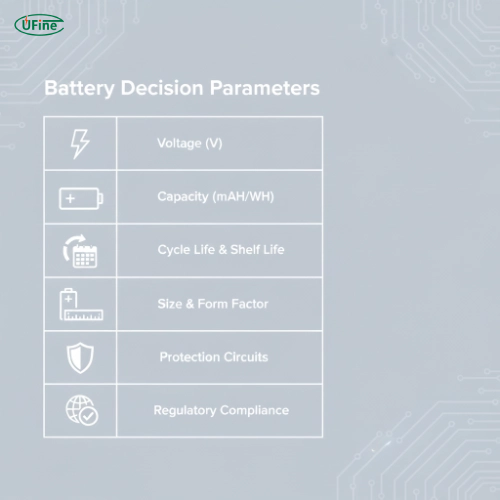
| Parameter | Typical Requirement | Ufine Support |
|---|---|---|
| Nominal Voltage | 1.5 V / 3.0 V / 3.7 V / 7.4 V | Primary & lithium solutions |
| Capacity Range | 180 mAh – 6000+ mAh | Standard & custom packs |
| Standby Current Support | <20 µA – 1 mA | Low self-discharge cells |
| Cycle Life | 300–1000 cycles | Li-ion / Li-polymer |
| Safety Protection | Overcharge / short-circuit | Integrated PCM |
| Form Factor | Cylindrical / pouch | Custom dimensions |
| Compliance | UN38.3 / IEC 62133 | Full documentation |
Part 7. Why choose Ufine for alarm clock battery solutions?
- Application-level battery matching, not generic recommendations
- Wide voltage and capacity coverage, from ultra-low-power backup to smart devices
- Custom pack design, including PCM, wiring, and connectors
- Primary battery sourcing support for disposable-powered alarm clocks
If you are developing a new alarm clock model or upgrading an existing platform, Ufine can help you optimize battery selection for performance, cost, and reliability.